
September 1, 2026
Dentures: Complete and Partial Tooth Replacement Options for Bellaire and Houston Patients
Comprehensive dental care in Bellaire and Houston: preventive, restorative, cosmetic, and biological dentistry for families and individuals.
Dentures replace missing teeth with removable prosthetic devices that restore chewing function, speech clarity, and facial structure. Complete dentures replace all teeth in an arch, while partial dentures fill gaps between natural teeth. Patients in Bellaire and the greater Houston area can choose from conventional dentures, immediate dentures, and implant-supported options based on their bone health, budget, and treatment timeline.
Table of Contents
Key Takeaways (TL;DR)
- Dentures replace missing teeth with removable prosthetics: Complete dentures replace all teeth. Partial dentures fill specific gaps.
- Two types of complete dentures exist: Conventional dentures require healing after extractions. Immediate dentures are placed the same day.
- Implant-supported dentures offer superior stability: Two to six implants secure the denture, preventing slippage and bone loss.
- Denture fabrication requires multiple appointments: Impressions, bite records, try-in, and final delivery span several weeks.
- Dentures require daily cleaning and yearly professional evaluation: Proper care extends denture life and maintains oral health.
What Types of Dentures Are Available for Tooth Replacement?
Dentures fall into three main categories based on the number of teeth replaced and the support mechanism. Complete dentures replace all teeth in the upper arch, lower arch, or both. Partial dentures replace one or more missing teeth while preserving remaining natural teeth. Implant-supported dentures attach to dental implants for enhanced stability and retention.
| Denture Type | Best For | Key Feature | Average Timeline |
|---|---|---|---|
| Complete Denture | Patients missing all teeth in an arch | Full acrylic base, tissue-supported | 4-6 weeks |
| Immediate Denture | Patients needing extractions and immediate teeth | Same-day placement after extractions | Same day; reline at 6 months |
| Partial Denture (Cast Metal) | One to several missing teeth with healthy abutments | Metal framework, acrylic teeth and gum | 3-4 weeks |
| Partial Denture (Flexible) | Patients with metal allergies or aesthetic concerns | Nylon or thermoplastic base, tooth-colored clasps | 3-4 weeks |
| Implant-Supported Denture | Patients with bone volume and desire for stability | 2-6 implants anchor the prosthesis | 3-6 months with healing |
What Are Complete Dentures and How Do They Work?
Complete dentures replace all teeth in a single dental arch with a removable acrylic prosthesis. The denture base rests on the gum tissue and underlying bone. Suction, muscle control, and a thin layer of saliva create the seal that holds the denture in place during function.
Conventional Complete Dentures
Conventional dentures are fabricated after the gums heal from tooth extractions. Healing typically requires eight to twelve weeks. During this period the patient goes without teeth. The dentist takes final impressions once the bone and gum tissue stabilize. Fabrication takes four to five appointments over several weeks. Conventional dentures fit more accurately than immediate dentures because the tissues have reached their final shape.
Immediate Complete Dentures
Immediate dentures are placed on the same day as tooth extraction. The dentist takes impressions before extraction. The dental laboratory fabricates the denture on a model of the existing teeth. After extracting the remaining teeth, the dentist inserts the denture immediately. Patients never experience a period without teeth. However, the denture requires relining or replacement after six to twelve months because the bone and gums shrink during healing.
Upper vs. Lower Complete Dentures
Upper complete dentures typically provide better retention than lower dentures. The palate creates a large surface area for suction. Lower dentures sit on a horseshoe-shaped ridge with a moving tongue underneath. This design makes lower dentures less stable. Many patients with lower complete dentures prefer implant-supported options for improved function.
What Are Partial Dentures and Who Needs Them?
Partial dentures replace one or more missing teeth while preserving the remaining natural teeth. A metal or flexible framework supports replacement teeth and clasps that attach to adjacent natural teeth. Partial dentures prevent remaining teeth from shifting into empty spaces and restore chewing and speech.
Cast Metal Partial Dentures
Cast metal partial dentures use a rigid cobalt-chromium framework. This framework provides strength and allows a thin, comfortable design. Metal clasps wrap around abutment teeth for retention. Acrylic replacement teeth and pink gum material complete the prosthesis. Cast metal partials are durable and can last ten to fifteen years with proper care.
Flexible Partial Dentures
Flexible partial dentures use nylon or thermoplastic materials such as Valplast or Flexite. The material is translucent, allowing natural gum color to show through. Tooth-colored clasps are less visible than metal clasps. The flexible base moves slightly with tissue function, which some patients find more comfortable. However, flexible partials are less durable than cast metal and may require replacement after five to eight years.
Acrylic (Flipper) Partial Dentures
Acrylic partial dentures serve as temporary or transitional prostheses. The all-acrylic base makes them affordable and quick to fabricate. However, they are bulky, less durable, and provide poor fit compared to cast metal designs. Dentists often use flippers as interim replacements while a patient waits for implants or a permanent cast partial.
How Do Implant-Supported Dentures Compare to Traditional Dentures?
Implant-supported dentures attach to dental implants surgically placed in the jawbone. Two to six implants anchor the denture, depending on the arch and bone density. This connection eliminates slipping and provides chewing force similar to natural teeth. For patients with complete dentures, implant support transforms the experience from functional to near-natural.
Implant-Retained (Snap-On) Dentures
Implant-retained dentures use locator attachments or ball-and-socket connectors. The denture snaps onto two to four implants. Patients remove the denture for daily cleaning. This design provides significant improvement over traditional dentures while remaining affordable. Patients report greater confidence eating and speaking.
Implant-Supported Fixed Dentures
Fixed implant-supported dentures screw into implants and remain in place permanently. The patient cannot remove the prosthesis. Four to six implants typically support a fixed full-arch prosthesis. This design mimics the function and feel of natural teeth most closely. Hybrid dentures combine acrylic teeth and gum material with a metal framework for strength.
Bone Health and Implant Candidacy
Patients with inadequate bone volume may require bone grafting before implant placement. The bone must have sufficient width, height, and density to support the implants. Dr. Frazar evaluates bone health using cone beam CT imaging during the consultation. Patients with significant bone loss may still qualify for implant-supported dentures with advanced grafting techniques.
For a complete comparison of implant-supported options, refer to the dental implants guide.
What Is the Process of Getting Dentures from Start to Finish?
The denture fabrication process follows a predictable sequence of appointments. Complete dentures typically require five to six visits over four to six weeks. The steps ensure accurate fit, proper bite alignment, and natural aesthetics.
Step 1: Examination and Treatment Planning
The dentist examines the oral tissues, remaining teeth, and bone structure. X-rays and photographs document the condition. The dentist discusses treatment options and establishes expectations. Any necessary extractions or bone grafting are planned at this stage.
Step 2: Preliminary Impressions
Preliminary impressions create a model of the arches. The dentist uses stock trays and alginate material. The dental laboratory fabricates custom trays for final impressions.
Step 3: Final Impressions and Jaw Relation Records
The dentist takes final impressions using custom trays and elastomeric material. These impressions capture fine tissue detail. The dentist records jaw relations to establish vertical dimension and bite position. Wax rims attached to the impression bases help measure the correct relationship between upper and lower arches.
Step 4: Wax Try-In
Wax try-in appointments let patients preview the final denture. The teeth are set in wax for evaluation. The dentist and patient assess aesthetics, tooth size, shade, and shape. Speech and function are tested. Adjustments to tooth position or shade occur before final processing.
Step 5: Final Processing
The dental laboratory processes the wax try-in into a final acrylic denture. Processing includes curing the acrylic under heat and pressure. The dentist adjusts the finished denture for fit, bite, and comfort.
Step 6: Delivery and Adjustments
Denture delivery occurs at the final appointment. The dentist inserts the denture and evaluates fit and function. Patients learn insertion, removal, and cleaning techniques. Follow-up appointments within one to two weeks address any sore spots or adjustments.
How Should Patients Care for Dentures at Home?
Proper denture care extends the life of the prosthesis and maintains oral health. Dentures require daily cleaning, overnight soaking, and professional inspection. Neglecting denture hygiene leads to stains, odors, and fungal infections.
Daily Cleaning Routine
Denture wearers should brush their dentures daily with a soft denture brush and non-abrasive denture paste. Regular toothpaste contains abrasives that scratch acrylic surfaces. The patient holds the denture over a towel or basin of water to prevent breakage if dropped. All surfaces require brushing, including the tissue side and the fitting surface.
Overnight Soaking
Dentures should remain in water or denture cleaning solution overnight when not worn. Acrylic requires moisture to maintain its dimensions. Dry dentures can warp. Cleaning tablets dissolve plaque and stain deposits. Patients should rinse the denture thoroughly before reinsertion.
Oral Tissue Care
Patients must clean their gums, tongue, and palate daily even with full dentures. A soft toothbrush or gauze removes plaque from oral tissues. Massaging the gums stimulates circulation and maintains tissue health. Patients should remove dentures for at least four to six hours per day, typically overnight, to allow tissues to rest and recover.
Professional Denture Maintenance
Annual dental visits for denture wearers include evaluation of fit, tissue health, and bite. Dentists identify areas where bone resorption has altered fit. Relining or rebasing renews the fit of existing dentures. Dentures typically require relining every two to three years and replacement every five to eight years as the bone continues to change.
Frequently Asked Questions About Dentures
How long does it take to get used to dentures?
Most patients adapt to their dentures within two to four weeks. Initial sensation includes feeling bulky, excessive salivation, and altered speech. Reading aloud and speaking conversationally accelerates adaptation. Eating soft foods and gradually introducing firmer textures builds confidence. Persistent discomfort beyond four weeks warrants a dental evaluation.
Can you eat normally with dentures?
Denture wearers can eat most foods but must adjust technique. Cutting food into small pieces and chewing on both sides simultaneously prevents tipping. Sticky foods like caramel or gum can dislodge dentures. Hard foods like nuts or apples require careful biting. Patients with implant-supported dentures experience fewer eating restrictions.
Do dentures change the shape of your face?
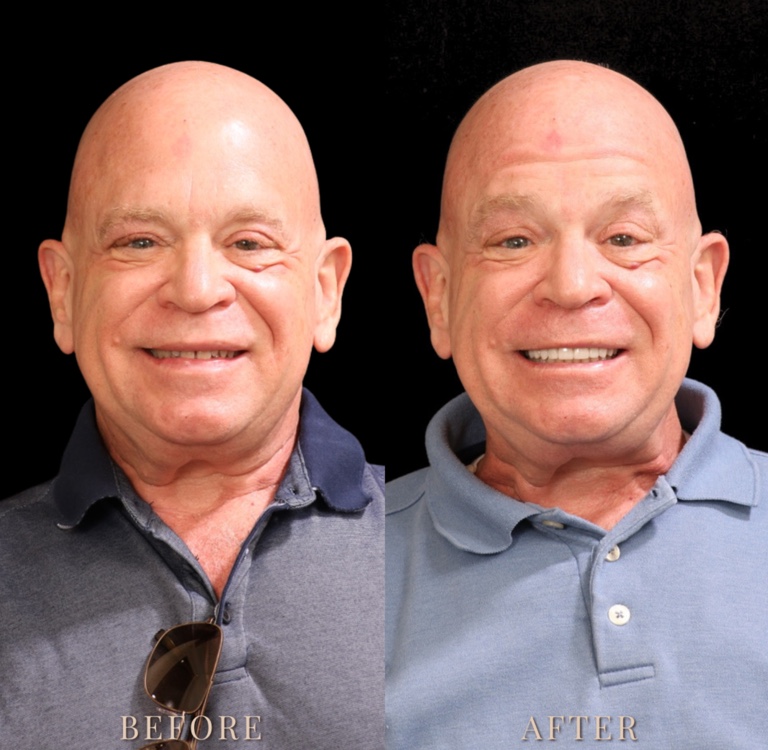
Dentures restore facial contour lost from missing teeth. The teeth and acrylic base support the lips and cheeks. Without dentures, the oral cavity collapses inward, deepening nasolabial folds and creating a sunken appearance. Properly designed dentures reduce wrinkles and maintain a natural facial profile.
Can you sleep with dentures in?
Patients should remove dentures at night to allow tissue rest and prevent fungal infections. Wearing dentures continuously can cause inflamed tissues and accelerate bone loss. Removing dentures overnight also reduces the risk of aspiration during sleep. Patients with severe bruxism or clenching may need to wear a nightguard over their dentures.
How much do dentures cost in Bellaire and Houston?
What is the difference between dentures and dental implants?
Dentures are removable prosthetics that rest on gum tissue. Dental implants are surgically placed titanium posts that fuse to bone and support fixed or removable crowns. Implants prevent bone loss and provide superior chewing function. Dentures are more affordable and do not require surgery. Patients with adequate bone and budget often prefer implants for long-term satisfaction.
Will my dentures make me gag?
Some patients experience gagging with upper dentures, especially when the denture extends too far posteriorly. The dentist adjusts the denture border to reduce tissue contact. Gradual adaptation and focused breathing through the nose helps overcome the initial reflex. Persistent gagging indicates the need for impression refinement.
Can dentures be repaired if they break?
Denture repairs are possible for most fractures. The dental lab bonds the broken sections using acrylic resin. Complex fractures or missing teeth require more extensive repair. Patients should not attempt at-home repairs with over-the-counter adhesives, as these can change the bite and cause further damage. Immediate dentures and partials often repair within one to two days.
Meet the Dentist
Dr. Kathy Frazar, DDS provides complete and partial denture services at The Houston Dentists in Bellaire, Texas. She designs and delivers conventional dentures, immediate dentures, and implant-supported prostheses for patients in Bellaire, West University Place, Meyerland, River Oaks, Tanglewood, and the greater Houston area. Dr. Frazar emphasizes precise fit, natural aesthetics, and patient education to ensure successful outcomes with dentures.
Sources and References
- American Dental Association. (2024). Dentures and Partial Dentures: Patient Education Information. ADA Center for Evidence-Based Dentistry.
- Journal of Prosthetic Dentistry. (2023). Success Rates of Implant-Supported Overdentures: A 10-Year Clinical Study. Volume 130, Issue 4.
- International Journal of Prosthodontics. (2024). Patient Satisfaction with Complete Dentures: Factors Affecting Outcomes. Volume 37, Issue 3.
- Journal of Dental Research. (2024). Bone Resorption Patterns in Edentulous Patients and Implications for Denture Design. Volume 103, Issue 2.
- Journal of Oral Rehabilitation. (2024). Occlusal Force Distribution in Conventional vs. Implant-Supported Complete Dentures. Volume 51, Issue 1.
- Clinical Oral Implants Research. (2024). Survival Rates of Implant-Supported Overdentures in Elderly Patients. Volume 35, Issue 5.
People Also Search For
- "Dentures vs implants pros and cons"
- "How much do dentures cost in Texas"
- "Can you get dentures with no teeth left"
- "Denture reline vs rebase"
- "Best denture adhesives for lower dentures"
- "Immediate dentures healing time"
- "Partial denture metal allergy alternatives"
- "Denture care products recommended by dentists"