
June 2, 2026
Porcelain Veneers: Procedure, Materials, And Long-Term Results For Aesthetic Smile Transformation
Comprehensive dental care in Bellaire and Houston: preventive, restorative, cosmetic, and biological dentistry for families and individuals.
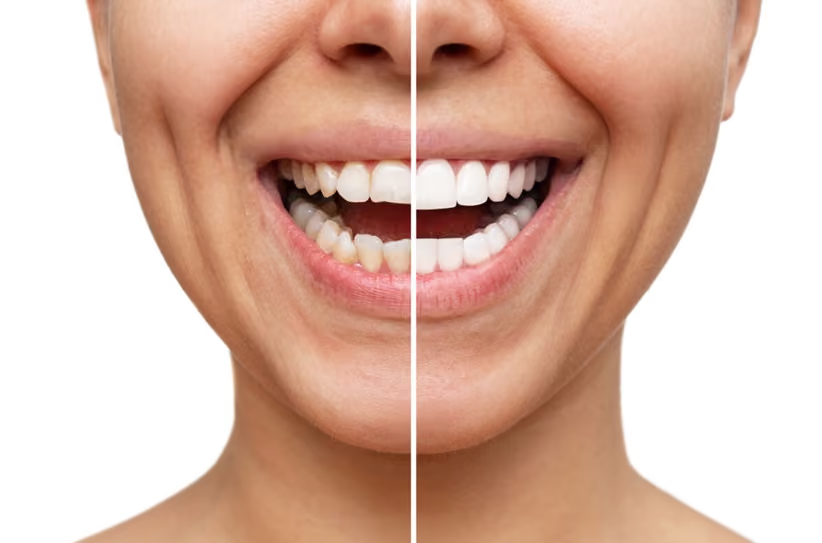
Porcelain veneers are thin, custom‑fabricated shells of tooth‑colored ceramic designed to cover the front surface of teeth. They correct discoloration, chips, gaps, minor misalignment, and worn edges. Clinical studies report high patient satisfaction and predictable long‑term outcomes when veneers are placed for appropriate indications. This guide explains the procedure, material options, evidence for longevity, and how veneers compare to other cosmetic treatments.
Table of Contents
Key Takeaways (TL;DR)
- Porcelain veneers correct multiple concerns: Discoloration, chips, gaps, minor crowding, and worn edges in a single treatment.
- Minimal enamel reduction required: Most veneers need only 0.3 to 0.5 millimeters of surface preparation, preserving natural tooth structure.
- Two to three appointments typical: The process includes consultation, preparation with temporaries, and final bonding.
- Ten to fifteen year longevity with proper care: Clinical studies show high survival rates when patients avoid biting forces on hard objects.
- Lithium disilicate is the most common material: E.max veneers offer excellent strength, translucency, and stain resistance.
What Are Porcelain Veneers and How Do They Transform Smiles?
Porcelain veneers are thin shells of medical‑grade ceramic bonded to the front surface of teeth. They measure approximately 0.3 to 0.7 millimeters in thickness, similar to a contact lens. A dentist designs each veneer individually to match the shape, size, color, and translucency of surrounding natural teeth. The result appears seamless and lifelike.
Common Smile Concerns Corrected With Veneers
- Intrinsic discoloration: Stains from tetracycline antibiotics, fluorosis, or root canal treatment that do not respond to whitening.
- Chipped or fractured enamel: Small to moderate damage affecting the front teeth.
- Diastemas (gaps between teeth): Spaces that patients find cosmetically undesirable.
- Minor crowding or rotation: Slight alignment issues that do not require orthodontics.
- Worn or uneven incisal edges: Teeth shortened by grinding or acid erosion.
- Misshapen teeth: Abnormally small, pointed, or peg‑shaped lateral incisors.
Veneers do not replace missing teeth or correct severe bite problems. Patients with extensive decay, active gum disease, or insufficient enamel may require other restorative treatments before veneers are appropriate.
Porcelain Veneers vs Composite Bonding vs Dental Crowns: A Clinical Comparison
Each cosmetic option serves different clinical situations. The table below compares key factors for porcelain veneers, composite resin bonding, and full dental crowns.
| Factor | Porcelain Veneers | Composite Bonding | Dental Crown |
|---|---|---|---|
| Enamel Removal | 0.3‑0.5mm (minimal) | None (additive only) | 1.5‑2mm (moderate to extensive) |
| Typical Longevity | 10‑15 years | 3‑7 years | 10‑20 years |
| Stain Resistance | High (glazed ceramic) | Low (porous resin) | High (ceramic or zirconia) |
| Repairability | Limited (often remake) | Easy (add more composite) | Limited (often remake) |
| Relative Cost | $$–$$$ | $–$$ | $$$ |
Pricing disclaimer: The cost estimates shown are for educational and research purposes only. They do not represent the actual fees or estimates of The Houston Dentists. Patients should request a current fee schedule during their consultation.
When Are Veneers Recommended Over Other Options?
Clinical guidelines suggest veneers when patients have intact tooth structure with minor cosmetic concerns. Composite bonding works well for small chips or single‑tooth touch‑ups but stains faster and requires more frequent maintenance. Crowns provide more strength for teeth with significant structural loss, deep cracks, or large existing restorations. Veneers offer the best balance of preservation and aesthetics for healthy teeth requiring mainly color and shape changes.
What Is the Step‑by‑Step Procedure for Getting Porcelain Veneers?
The veneer process typically requires two to three appointments over several weeks. Each appointment serves a specific purpose in the design, fabrication, and placement sequence.
Appointment 1: Consultation and Smile Design
The dentist reviews medical and dental history, examines the teeth and gums, and discusses cosmetic goals. Digital photographs and X‑rays help plan the case. A diagnostic wax‑up or digital smile design creates a preview of the final result. The patient approves the proposed shape, size, and number of veneers before any tooth preparation begins.
Appointment 2: Tooth Preparation and Temporary Veneers
The dentist numbs the teeth and removes a thin layer of enamel, approximately 0.3 to 0.5 millimeters. An intraoral scanner or traditional impression captures the prepared teeth. Provisional veneers made from composite or acrylic are placed to protect the teeth and maintain aesthetics during laboratory fabrication. The impressions are sent to a dental laboratory, and the patient wears the temporaries for one to three weeks.
Appointment 3: Veneer Try‑In and Bonding
The dentist removes the temporary veneers and cleans the prepared teeth. Each porcelain veneer is tried in with a water or glycerin‑based try‑in paste to assess fit, color, and contour. Adjustments are made as needed. The teeth are etched, a bonding agent is applied, and the veneers are cemented with a light‑cured resin cement. A curing light hardens the cement, and final finishing polishes the margins.
For a complete overview of comprehensive aesthetic treatment options in the same practice, refer to the pillar guide to comprehensive dental care in Bellaire and Houston.
What Are the Material Options for Porcelain Veneers?
Not all dental ceramics perform equally. The material choice affects strength, translucency, how the veneer interacts with light, and long‑term clinical outcomes. All materials described below are metal‑free and biocompatible.
| Material | Flexural Strength (MPa) | Translucency | Best Use Case |
|---|---|---|---|
| Lithium Disilicate (E.max) | 360‑400 | High | Most anterior and premolar veneers |
| Feldspathic Porcelain | 70‑100 | Very high (most natural) | Ultra‑thin veneers (0.2‑0.3mm), no‑prep cases |
| Zirconia (monolithic) | 800‑1200 | Low to moderate | Patients with heavy bruxism, posterior restorations |
Lithium disilicate veneers represent the most common choice for cosmetic cases because they combine strength with excellent light transmission. Feldspathic veneers offer the highest aesthetic potential but require more laboratory skill and are more fragile. Zirconia veneers provide maximum durability but appear more opaque and are rarely used in highly aesthetic anterior cases.
What Does the Evidence Show About Longevity and Success Rates?
A 2024 systematic review in the Journal of Esthetic and Restorative Dentistry analyzed 26 studies reporting outcomes for porcelain laminate veneers. The review found a five‑year survival rate of 94 to 96 percent and a ten‑year survival rate of 88 to 92 percent for lithium disilicate veneers. The most common causes of failure were fracture, debonding, and recurrent caries at the margin.
Porcelain Veneer Survival Rates (Lithium Disilicate)
| Time Interval | Survival Rate | Primary Failure Mode |
|---|---|---|
| 3 Years | 97‑98% | Minor chipping, sensitivity |
| 5 Years | 94‑96% | Fracture, debonding |
| 10 Years | 88‑92% | Fracture, margin caries |
| 15 Years | 80‑85% | Multiple failures, remake needed |
Factors associated with longer veneer survival include: proper case selection with adequate enamel for bonding, absence of parafunctional habits like bruxism, excellent oral hygiene, and avoiding biting forces on hard objects such as ice or pens. Patients who wear a nightguard for grinding extend the life of their veneers significantly.
Meet the Dentist
Dr. Kathy Frazar, DDS provides cosmetic and restorative treatment at The Houston Dentists in Bellaire, Texas. Her approach to porcelain veneers emphasizes conservative tooth preparation, evidence‑based material selection, and meticulous bonding protocols. Dr. Frazar serves patients from Bellaire, West University Place, Meyerland, River Oaks, and the greater Houston area, offering smile design services that prioritize natural aesthetics and long‑term oral health.
Frequently Asked Questions About Porcelain Veneers
Are porcelain veneers reversible?
No. The 0.3 to 0.5 millimeters of enamel removed during preparation does not grow back. Once a tooth is prepared for a veneer, it requires a restoration permanently. Patients should consider veneers a permanent change to their teeth.
Can veneers be repaired if they chip or crack?
Small chips can sometimes be polished or repaired with composite resin. Larger fractures usually require complete veneer replacement. A dental laboratory fabricates a new veneer using the original model or a new impression. Patients with a history of chipping should discuss nightguard use.
Can I get veneers if I grind my teeth at night?
Yes, but with precautions. Bruxism increases the risk of veneer fracture. A custom nightguard worn over the veneers protects them from grinding forces. Without a nightguard, veneers in patients with active bruxism have lower survival rates.
How many appointments are required for veneers?
Typically two to three appointments. The first is consultation and design. The second is tooth preparation, impressions, and temporary placement. The third is try‑in and bonding. Some practices combine consultation and design with the preparation appointment, reducing the total visits to two.
Do porcelain veneers look natural?
When properly designed and fabricated by an experienced dentist and laboratory technician, veneers appear indistinguishable from natural teeth. The ceramic material mimics enamel's translucency. The dentist matches shape, shade, and surface texture to adjacent teeth.
How do I care for my veneers?
Care is similar to natural teeth: brush twice daily with a non‑abrasive toothpaste, floss once daily, and attend regular dental cleanings. Avoid biting fingernails, opening packages with teeth, or chewing ice. A nightguard is recommended for patients who grind.
Can veneers become discolored over time?
The porcelain itself does not stain. However, the cement line at the gum margin can stain if the patient smokes or drinks dark liquids like coffee and red wine. Professional cleanings remove surface stains. Good oral hygiene prevents marginal staining.
What is the difference between traditional and minimal‑prep veneers?
Traditional veneers require 0.3 to 0.5 millimeters of enamel reduction. Minimal‑prep or no‑prep veneers are thinner (0.2 millimeters or less) and require little or no tooth reduction. They are suitable only for very small corrections and patients with naturally small teeth that can accommodate the added thickness without looking bulky.
Sources and References
- Journal of Esthetic and Restorative Dentistry. (2024). Systematic Review: Long‑Term Outcomes of Porcelain Laminate Veneers (26 Studies). Volume 36, Issue 2.
- Journal of Prosthetic Dentistry. (2023). Marginal Fit and Fracture Resistance of Lithium Disilicate Veneers. Volume 130, Issue 4.
- Clinical Oral Investigations. (2025). Patient‑Reported Outcomes After Porcelain Veneer Treatment: 10‑Year Follow‑Up. Volume 29, Issue 1.
- American Dental Association. (2025). Clinical Practice Guidelines for Anterior Aesthetic Restorations. ADA Center for Evidence‑Based Dentistry.
- International Journal of Prosthodontics. (2024). Material Selection for Porcelain Laminate Veneers: A Clinical Decision Tree. Volume 37, Issue 3.
People Also Search For
- "Can you eat normally with porcelain veneers?"
- "Do veneers ruin your natural teeth?"
- "Cost of veneers in Houston"
- "Minimal prep veneers pros and cons"
- "Veneers before and after gallery"
- "Composite vs porcelain veneers which is better"
- "Can veneers be whitened"
Strategic Call‑to‑Action
To see examples of smile transformations and understand how veneers are designed for individual facial features and tooth anatomy, review the detailed smile makeover educational resources and clinical case photographs available through the practice's patient education library.