
January 12, 2026
Is Sedation Dentistry Safe? Protocols & Monitoring in Houston TX
Comprehensive dental care in Bellaire and Houston: preventive, restorative, cosmetic, and biological dentistry for families and individuals.
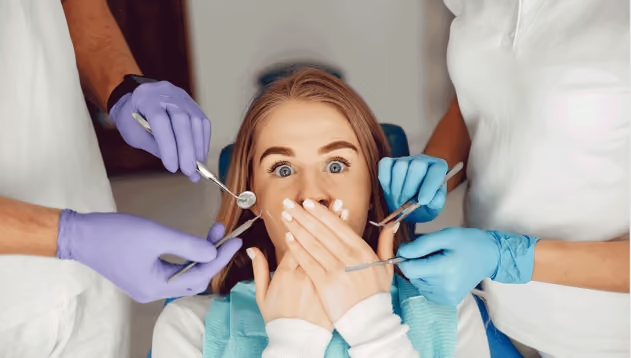
For many patients in Bellaire, Houston, and surrounding communities, the thought of dental treatment can evoke significant anxiety. Sedation dentistry offers a safe, effective pathway to comfortable care, allowing individuals to receive necessary treatments while fully relaxed. Modern sedation protocols, grounded in evidence-based guidelines from the American Dental Association (ADA) and tailored to individual patient needs, have transformed the dental experience for those with fear, low pain tolerance, or complex treatment plans.
A biological, less-toxic approach to sedation prioritizes patient well-being by minimizing systemic impact and supporting the body’s natural recovery processes. This philosophy aligns with a holistic view of dental care, where patient comfort and safety are paramount. Understanding the options—from nitrous oxide to oral and IV sedation—empowers Houston-area residents to make informed decisions about their care in collaboration with qualified providers.
This guide addresses the most common questions surrounding sedation dentistry, including safety protocols, candidacy, cost considerations specific to the Houston area, and what to expect before, during, and after a sedated procedure. It is designed as a comprehensive resource for anyone considering sedation dentistry in Houston to alleviate anxiety. Those seeking a comprehensive dental care approach in Bellaire and Houston will find this information integral to a comfortable care plan.
Table of Contents
Key Takeaways (TL;DR)
- ■ Sedation dentistry is highly safe: When administered by a qualified dentist following ADA and state board protocols, with continuous patient monitoring, the risk of complications is extremely low.
- ■ Three primary options exist: Nitrous oxide (laughing gas) for mild relaxation, oral sedation for moderate anxiety, and IV sedation for deep relaxation during complex procedures.
- ■ Cost varies by method and case: In the Houston area, sedation fees range from approximately $150 for nitrous oxide per visit to several hundred dollars for IV sedation, often considered a separate fee from the dental procedure.
- ■ A biological approach minimizes toxicity: This philosophy uses the minimum effective dose of sedation agents, prioritizes shorter-acting medications, and incorporates holistic support for patient recovery.
- ■ Candidacy is broad: Ideal for patients with dental anxiety, a strong gag reflex, low pain tolerance, or those undergoing lengthy treatments. A thorough health review determines the safest option.
Is Sedation Dentistry Safe?
When administered by a qualified dentist adhering to established protocols, sedation dentistry is considered extremely safe. The American Dental Association (ADA) provides comprehensive guidelines for the use of sedation, which are further enforced by the Texas State Board of Dental Examiners. Safety is ensured through a multi-layered approach: a thorough pre-sedation health evaluation, continuous monitoring of vital signs (heart rate, blood pressure, oxygen levels) throughout the procedure, and the use of precise dosing tailored to the individual patient.
- Medical history review and risk assessment
- Continuous pulse oximetry and blood pressure monitoring
- Availability of emergency equipment and medications
- Trained team members present throughout the procedure
- Post-operative monitoring and clear discharge instructions
For Houston and Bellaire patients, it’s important to choose a provider with specific training and permits for the level of sedation being offered. Dentists offering IV sedation, for example, must hold additional credentials from the Texas State Board. The biological, less-toxic approach further enhances safety by prioritizing shorter-acting agents and minimizing the overall pharmacological burden on the body, supporting a smoother recovery.
What Sedation Options Are Available?
Patients in the Houston area have access to three primary levels of dental sedation, each suited to different needs and levels of anxiety. The choice depends on the patient's medical history, the complexity and length of the dental procedure, and personal comfort level.
| Method | How It Works | Best For | Recovery Time |
|---|---|---|---|
| Nitrous Oxide (Laughing Gas) |
Inhaled through a nasal mask; induces mild relaxation and euphoria. Effects wear off quickly after oxygen is administered. | Mild to moderate anxiety, short procedures, patients who need to drive themselves home. | Immediate; patients are typically alert within minutes. |
| Oral Sedation | A prescribed pill taken before the appointment. Creates a state of deep relaxation; patients are awake but drowsy. | Moderate to severe anxiety, longer appointments, patients with a strong gag reflex. | Several hours; requires a companion for transportation. |
| IV Sedation | Medication delivered intravenously for immediate effect. Depth of sedation can be adjusted throughout the procedure. | Severe dental phobia, complex surgical procedures (e.g., multiple implants, full-mouth reconstruction). | Longest; rest is required for the remainder of the day. |
Local dentists often combine these methods with non-pharmacological comfort measures, such as noise-canceling headphones, warm blankets, and detailed patient communication, to create a comprehensive anxiety-management plan.
How Much Does Sedation Dentistry Cost in Houston?
The cost of sedation dentistry in the Houston metropolitan area varies based on the type of sedation, the length of the procedure, and the specific dental practice. Sedation is typically billed as a separate fee from the dental treatment itself. As of 2026, patients can expect the following general fee ranges, though a precise quote requires a consultation.
Estimated Sedation Fees (Houston Area)
- Nitrous Oxide: $150 – $250 per visit. Often the most affordable option, priced per 15-30 minute increment.
- Oral Sedation: $250 – $500 per visit. Cost includes medication and extended monitoring time.
- IV Sedation: $500 – $1,000+ per hour. Higher cost reflects the need for an anesthesia-trained provider and more intensive monitoring.
Note: These are average estimates. Some insurance plans may provide partial coverage for sedation when deemed medically necessary, such as for patients with documented extreme anxiety or special needs. Patients are advised to verify benefits directly with their carrier.
Who is a Candidate for Sedation Dentistry?
Sedation dentistry is a versatile solution for a wide range of patients. Candidacy is determined during a comprehensive pre-treatment consultation that reviews medical history, current medications, and the specific dental needs.
Ideal Candidates Include:
- Patients with high dental anxiety or phobia
- Those with a low pain threshold or sensitive gag reflex
- Individuals requiring lengthy or complex procedures (e.g., multiple implants, full-mouth rehabilitation)
- Patients with special needs who have difficulty sitting still
- Anyone who has avoided dental care due to fear and needs to complete multiple treatments efficiently
Medical Considerations:
Certain health conditions require careful evaluation but do not automatically disqualify patients. These include:
- Respiratory issues (e.g., sleep apnea, COPD)
- Pregnancy
- Liver or kidney disease affecting medication metabolism
- Certain neurological conditions
A biological dentistry practice will take extra care to select sedation agents that align with a patient's overall health profile, often opting for medications with fewer side effects and cleaner metabolic pathways.
What is the Biological, Less-Toxic Approach?
A biological approach to sedation dentistry integrates the principles of holistic health into anxiety management. This philosophy moves beyond simply achieving relaxation to consider the entire systemic impact of the medications used. The goal is to provide effective comfort while supporting the body's natural detoxification and recovery processes.
Key principles of this approach in a Houston or Bellaire practice include:
- Minimum Effective Dose: Using the lowest possible dose of sedation medication to achieve the desired relaxed state, thereby reducing metabolic load.
- Agent Selection: Preferring sedation drugs known for their favorable safety profiles, shorter half-lives, and fewer lingering side effects.
- Pre- and Post-Procedural Support: Providing guidance on nutrition and hydration before and after sedation to optimize the body's ability to process medications.
- Individualized Protocols: Tailoring the sedation plan not just to the procedure, but to the patient's unique biochemistry and health history.
This method aligns with the growing patient demand in communities like West University Place and River Oaks for healthcare that considers whole-body wellness, not just isolated treatment.
What to Expect Before, During, and After Sedation
Knowing what to expect can significantly reduce anxiety about the sedation process itself. Here is a typical timeline for a patient undergoing oral or IV sedation in Houston.
Companion: Arrange a responsible adult to drive you home and stay with you initially.
Medications: Take only approved medications with a small sip of water.
Administration: Sedation is given (pill or IV). You'll feel deeply relaxed and drowsy.
Procedure: Treatment is performed while you are comfortable. Time will seem to pass quickly.
At Home: Rest for the day. Avoid driving, operating machinery, making important decisions, or drinking alcohol for 24 hours.
Follow-up: The dental team will call to check on you. Report any unusual symptoms.
Community Overview — Sedation Dentistry in Bellaire and Houston
Access to comfortable, anxiety-free dental care is a priority for residents across Houston's diverse neighborhoods. Sedation dentistry serves patients from Bellaire and Meyerland to West University Place, River Oaks, and the Greater Houston area within a 7-mile radius, including those near major landmarks like the Texas Medical Center and Rice University.
The demand for advanced comfort options, including biological approaches, reflects the community's high expectations for healthcare. Patients often balance busy professional and personal lives, making efficient, comfortable treatment without fear a valuable service. Local dental practices offering sedation are attuned to these needs, providing a crucial service that enables individuals to maintain optimal oral health without stress or discomfort, contributing to the overall wellness of the community.
Frequently Asked Questions
Will I be unconscious during sedation dentistry?
No, with most levels of sedation (especially nitrous and oral), you remain conscious and able to respond to verbal cues. You will be in a deeply relaxed, drowsy state. IV sedation can range from conscious sedation to a deeper state, but protective reflexes are maintained. General anesthesia, which renders you fully unconscious, is typically used only in hospital settings.
How long does the sedation effect last?
It varies by method. Nitrous oxide effects wear off within minutes after the mask is removed. Oral sedation effects can last several hours, with residual drowsiness possible for the rest of the day. Effects of IV sedation are more immediate but may also leave you feeling tired for several hours post-procedure. Full recovery to normal activities (like driving) typically takes 24 hours for oral or IV sedation.
Is sedation safe for children?
Yes, when administered by a pediatric dentist or a dentist with appropriate training. Nitrous oxide is commonly and safely used for children. Oral or IV sedation for children requires extremely careful dosing based on weight and health history and is reserved for severe anxiety, special needs, or extensive treatment. Parental consent and understanding of pre- and post-op instructions are essential.
Can I eat or drink before my sedation appointment?
For your safety, fasting is required for oral and IV sedation—typically no food or milk for 6-8 hours beforehand, and clear liquids only up to 2 hours prior. This prevents the risk of aspiration. For nitrous oxide only, you may have a light meal a few hours before. Your dental team will provide specific, detailed instructions based on your scheduled time and sedation type.
Last reviewed: January 2026
Sources & References: American Dental Association (ADA) Guidelines for the Use of Sedation and General Anesthesia, Texas State Board of Dental Examiners Rules, peer-reviewed literature on sedation safety profiles.
About the Author & Practice
Dr. Kathy Frazar is the founder and lead dentist at The Houston Dentists in Bellaire, TX. With advanced training in sedation protocols and a commitment to biological dentistry principles, Dr. Frazar focuses on providing safe, comfortable, and less-toxic dental care options for patients in the Houston community.
The practice serves Bellaire, Houston, and surrounding areas, offering comprehensive dental services in a spa-like environment designed to alleviate anxiety and promote overall wellness.
People Also Search For
- How to choose a sedation dentist in Houston
- Dental anxiety therapy options
- Biological dentistry vs. traditional dentistry
- Cost of dental implants with sedation