
September 1, 2026
Immediate Dentures vs. Conventional Dentures: What's the Difference and Which Is Right for You?
Comprehensive dental care in Bellaire and Houston: preventive, restorative, cosmetic, and biological dentistry for families and individuals.
Immediate dentures and conventional dentures differ primarily in their placement timing relative to tooth extraction. Immediate dentures are placed on the same day the teeth are removed, providing continuous tooth replacement with no edentulous period. Conventional dentures are fabricated after the extraction sites have healed, typically requiring eight to twelve weeks without teeth. Patients in Bellaire and the greater Houston area should understand these differences to select the approach that best fits their lifestyle and treatment goals.
Table of Contents
Key Takeaways (TL;DR)
- Immediate dentures provide same-day teeth after extractions: No period without teeth, but requires a reline within six months.
- Conventional dentures require healing before fabrication: Eight to twelve weeks without teeth, but a more accurate final fit.
- Immediate dentures cost more upfront: Additional fabrication and multiple reline appointments increase total expense.
- Conventional dentures have fewer post-delivery adjustments: Stable tissues produce a more consistent fit from the start.
- Most immediate dentures become conventional after relining: The initial prosthesis serves as a temporary until a permanent replacement is made.
What Are Immediate Dentures and How Do They Work?
Immediate dentures are complete dentures placed immediately after tooth extraction on the same appointment day. The dentist takes preliminary impressions before extraction. The dental laboratory fabricates the denture using a model of the existing teeth. After extracting the remaining teeth, the dentist inserts the denture into the mouth. The patient leaves the appointment with teeth in place and never experiences the social or functional challenges of being edentulous.
The Immediate Denture Fabrication Process
- Pre-extraction impressions: The dentist takes impressions of the existing teeth and surrounding tissues approximately four to six weeks before extraction.
- Laboratory fabrication: The dental lab creates the denture based on the pre-extraction model, setting teeth in the current positions.
- Extraction appointment: The dentist removes the remaining teeth in the arch.
- Immediate placement: The denture is inserted, with adjustments for the post-surgical changes.
- Post-insertion follow-up: The patient returns for initial adjustments within twenty-four to forty-eight hours.
Advantages of Immediate Dentures
- No edentulous period: The patient never goes without teeth during the process
- Immediate aesthetics: Social and professional appearance maintained from day one
- Protective function: The denture protects extraction sites and reduces bleeding
- Speech preservation: Tongue position and speech patterns remain relatively consistent
- Psychological benefit: Avoids the emotional impact of tooth loss and being without teeth
Disadvantages of Immediate Dentures
- Less accurate fit: The denture is fabricated on a model that does not reflect post-extraction healing
- Requires relining: Almost all immediate dentures need relining after three to six months
- Higher total cost: Costs include the initial denture plus reline and potential replacement
- More adjustment appointments: Multiple follow-up visits for sore spots and fit issues
- Fragile during early healing: The denture may loosen as swelling subsides
What Are Conventional Dentures and How Do They Work?
Conventional dentures are fabricated after all teeth have been extracted and the extraction sites have completely healed. Patients undergo tooth extraction first, then wait eight to twelve weeks for the bone and gum tissues to stabilize. The dentist takes final impressions once healing is complete. The dental laboratory fabricates the denture to fit the stable, healed tissues precisely.
The Conventional Denture Fabrication Process
- Extraction phase: The remaining teeth are removed in one or multiple appointments.
- Healing period: The patient waits eight to twelve weeks for bone remodeling and tissue maturation.
- Final impressions: The dentist takes accurate impressions of the healed tissues.
- Jaw relation records: The dentist establishes vertical dimension and bite position.
- Wax try-in: The patient evaluates tooth position, size, and shade in a wax prototype.
- Final processing: The laboratory completes the acrylic denture.
- Delivery: The dentist inserts and adjusts the conventional denture.
Advantages of Conventional Dentures
- Superior fit: Fabricated on stable, healed tissues for maximum accuracy
- Fewer adjustments: Less bone and tissue change after delivery
- Lower long-term cost: May not require early relining or replacement
- Better retention: Tissue contours are stable and predictable
- Greater longevity: More accurate initial fit extends denture life
Disadvantages of Conventional Dentures
- Edentulous period: The patient has no teeth for eight to twelve weeks
- Social impact: Appearance changes during the healing period
- Dietary restrictions: Soft food diet required during healing
- Speech adaptation: Tongue position changes during the edentulous period
- Psychological adjustment: Patients must adapt to being without teeth temporarily
How Do Immediate Dentures and Conventional Dentures Compare Across Key Factors?
Immediate and conventional dentures differ across timing, fit, cost, and patient experience. Understanding these differences helps patients choose the approach that best fits their priorities.
| Comparison Factor | Immediate Denture | Conventional Denture |
|---|---|---|
| Timeline to Teeth | Same day as extraction | 8-12 weeks after extraction |
| Initial Fit Accuracy | Less accurate due to healing changes | Very accurate on healed tissues |
| Number of Appointments | 5-7 including adjustments | 4-5 appointments |
| Total Cost | Higher (includes initial + reline + possible replacement) | Lower (single fabrication with less frequent adjustment) |
| Edentulous Period | None | 8-12 weeks without teeth |
| Post-Delivery Adjustments | Frequent (pressure points, looseness) | Minimal |
| Need for Reline | Required within 3-6 months | May not require early reline |
| Initial Stability | Decreases as swelling resolves | Stable from delivery |
What Happens During Healing After Tooth Extractions?
The healing process after tooth extraction follows a predictable timeline. Understanding this timeline helps patients plan for immediate or conventional denture treatment.
The First 24-48 Hours
Blood clot formation occurs within the extraction socket during the first twenty-four hours. Patients should avoid rinsing, spitting, or using straws. Immediate denture wearers wear the prosthesis continuously for the first twenty-four to forty-eight hours to protect the extraction sites. Conventional denture patients follow the same protocol but have no prosthesis over the sockets.
Weeks 1-4: Bone Remodeling Begins
Bone resorption begins during the first week after extraction. The bone shapes in response to the extraction sockets. By week two, the gums begin to close over the extraction sites. By week four, the surface of the sockets is closed. Immediate denture wearers notice the denture becoming looser as the bone changes.
Weeks 8-12: Tissue Stabilization
Healing reaches completion at approximately eight to twelve weeks. The bone has undergone the initial remodeling phase. The gum tissues are stable and firm. This is the ideal time for final impressions for conventional dentures. Immediate denture wearers typically require a soft reline at this point to compensate for bone changes.
When Do Immediate Dentures Need Relining or Replacement?
Immediate dentures undergo predictable changes after delivery. The fit gradually becomes less accurate as bone and tissues remodel. These changes occur in distinct phases.
Soft Reline (3-6 Weeks)
Soft reline materials are placed in the tissue-facing surface of the immediate denture. The soft material adapts to the changing tissue contours. Soft relines are temporary measures that provide comfort during the early healing phase. They last approximately two to three months.
Hard Reline (6-12 Months)
Hard reline materials are placed once the bone resorption slows. The dentist removes a layer of acrylic from the base and replaces it with new, accurately adapted acrylic. Hard relines provide a permanent correction of the fit. Patients typically require a hard reline between six and twelve months after extraction.
Replacement (1-3 Years)
Immediate dentures often require replacement within one to three years. The original denture may become inadequate due to continued bone resorption. Replacement with a new conventional denture provides the most accurate fit and long-term outcome. Many patients who start with immediate dentures end with a custom-fabricated conventional denture.
For more information about denture care and maintenance, refer to the denture care guide.
Frequently Asked Questions About Immediate and Conventional Dentures
Can I sleep with immediate dentures on the first night?
Yes, patients should keep immediate dentures in place for the first twenty-four to forty-eight hours. The denture acts as a bandage over the extraction sites, controlling bleeding and protecting the sockets. Patients remove the denture after the initial period for cleaning and overnight resting.
How painful is the immediate denture process?
Patients experience post-extraction discomfort similar to standard tooth removal. The denture adds pressure on healing tissues. Pain medication, ice packs, and soft foods help manage discomfort. Most patients report that the discomfort is manageable and improves significantly within three to five days.
Can conventional dentures be made while teeth are still present?
Yes, but only if some teeth remain. Partially edentulous patients can have a partial denture fabricated while natural teeth are still in place. Complete conventional dentures require extraction of all remaining teeth before fabrication. The final impressions for complete dentures must be taken on healed tissues.
How much more do immediate dentures cost?
Immediate dentures typically cost more than conventional dentures due to additional fabrication and reline appointments. Patients may pay thirty to fifty percent more for the initial immediate denture plus the cost of subsequent relines and potential replacement. Dental insurance coverage varies between the two options.
Will my immediate dentures look unnatural because of the rapid timeline?
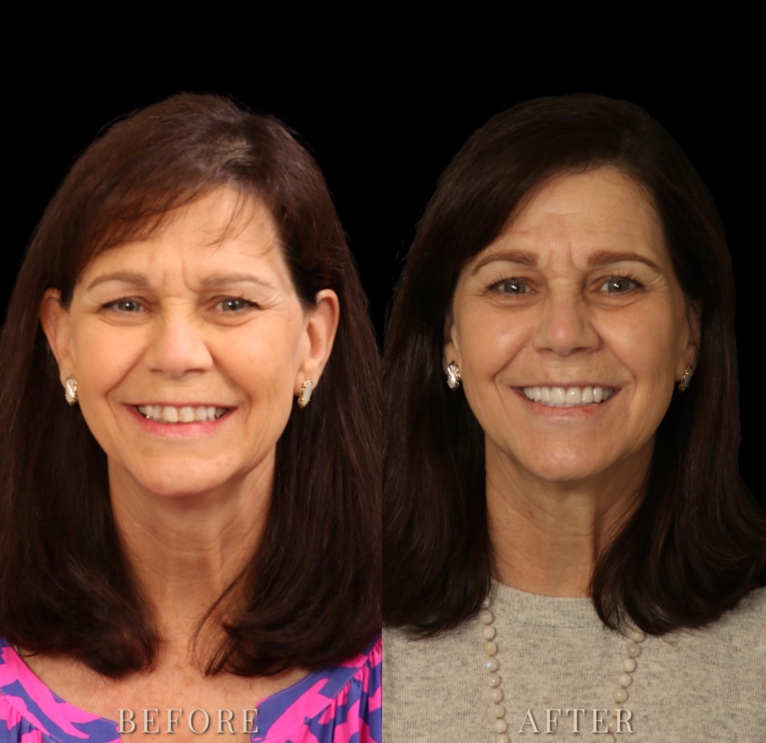
Immediate dentures can achieve natural aesthetics comparable to conventional dentures. The laboratory uses the pre-extraction model to set teeth in anatomically correct positions. However, the fit may affect appearance during the healing phase. The final conventional replacement denture provides the most consistent aesthetic outcome.
Can I eat normally with immediate dentures?
Patients should follow the healing diet recommended for tooth extraction. Soft, cool foods are preferred during the first week. Gradually, patients reintroduce firmer foods as healing progresses. The denture fit changes during healing, affecting chewing capacity. Patients regain most function after healing and reline.
What happens if I choose conventional dentures but need teeth for work?
Patients concerned about the edentulous period may consider immediate dentures. Alternatively, patients can use a temporary flipper partial denture to replace visible front teeth during healing. A flipper is an acrylic prosthesis that provides aesthetics but is less durable than a complete immediate denture.
How long after immediate denture delivery do I need the first adjustment?
The first adjustment typically occurs twenty-four to forty-eight hours after delivery. Sore spots and pressure points develop as the swelling changes. Follow-up adjustments are usually needed at one week and two to three weeks. Regular appointments ensure the denture remains comfortable during the healing phase.
Meet the Dentist
Dr. Kathy Frazar, DDS provides both immediate and conventional denture services at The Houston Dentists in Bellaire, Texas. She guides patients through the decision between immediate and conventional options based on individual priorities, healing capacity, and lifestyle factors. Dr. Frazar serves patients from Bellaire, West University Place, Meyerland, River Oaks, Tanglewood, and the greater Houston area.
Sources and References
- American Dental Association. (2024). Denture Treatment: Immediate vs. Conventional Approaches. ADA Center for Evidence-Based Dentistry.
- Journal of Prosthetic Dentistry. (2024). Outcomes of Immediate Dentures: A Clinical Study. Volume 132, Issue 3.
- International Journal of Prosthodontics. (2023). Patient Satisfaction with Immediate Dentures: A Longitudinal Assessment. Volume 36, Issue 4.
- Journal of Oral Rehabilitation. (2024). Bone Remodeling Patterns Following Tooth Extraction: Implications for Denture Timing. Volume 51, Issue 3.
- Journal of Dental Research. (2024). Cost-Effectiveness Analysis of Immediate vs. Conventional Denture Protocols. Volume 103, Issue 4.
- Clinical Oral Implants Research. (2024). Soft Tissue Changes After Tooth Extraction and Denture Placement. Volume 35, Issue 5.
People Also Search For
- "Immediate denture healing timeline"
- "Can I eat with immediate dentures on day one"
- "Conventional denture extraction healing time"
- "Immediate denture reline cost"
- "How long do you wear immediate dentures before replacement"
- "What do immediate dentures look like"
- "Denture adjustment appointments after extractions"
- "Healing after full mouth extraction with immediate dentures"
Strategic Call-to-Action
To decide whether immediate or conventional dentures fit your treatment timeline and lifestyle, review the complete dentures subpillar guide and the denture care guide for comprehensive information on all aspects of denture treatment.